
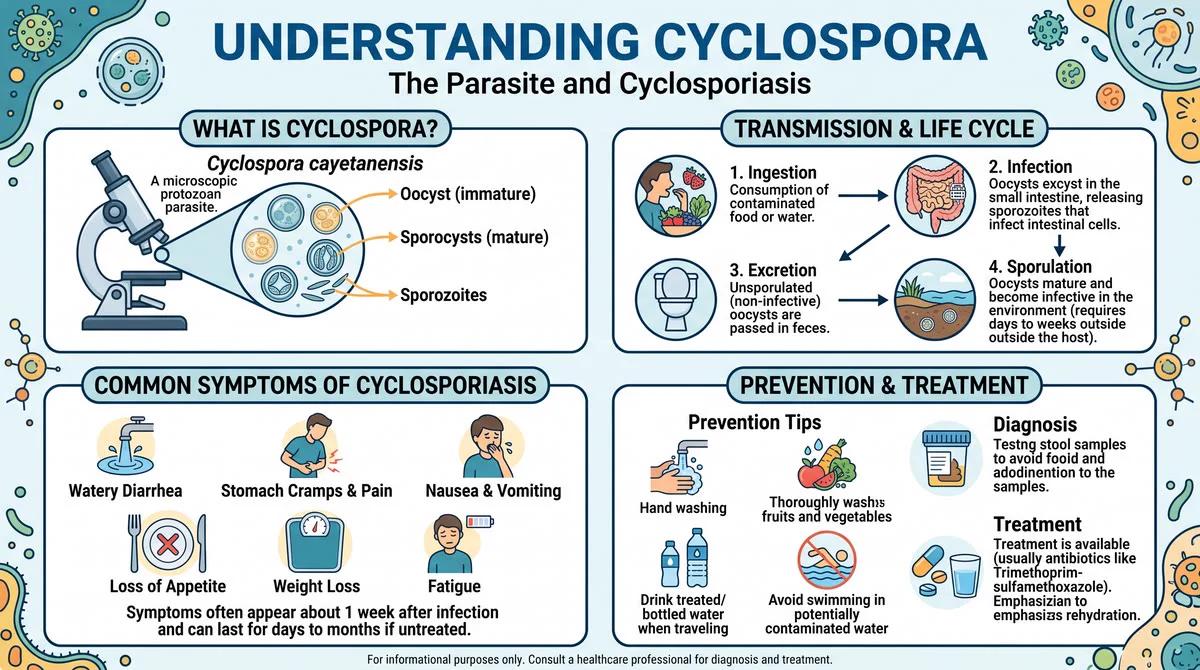
A UNLV infectious disease expert is urging awareness as cyclosporiasis cases rise across the country, noting that finding the source of an outbreak is often slow work. Dr. Brian Labus said investigators may need weeks to trace suspected contaminated food through the supply chain, from farms to restaurants.
What cyclosporiasis is and how it can spread
Cyclosporiasis is an illness tied to Cyclospora contamination, and the Las Vegas warning centers on the way suspected outbreaks can move through the food system. The key concern is not person-to-person spread in the information provided, but the possibility that contaminated food may pass through multiple steps before reaching diners or shoppers.
Why outbreaks can take weeks to investigate
UNLV infectious disease epidemiologist Dr. Brian Labus said these investigations can take weeks because public health teams may have to work backward through a complicated supply chain. That can mean tracing food from a restaurant or point of sale back through distributors and ultimately to farms.
Is it spreading in the U.S. right now?
The warning comes amid a nationwide rise in cyclosporiasis cases. The available information does not identify a specific Las Vegas outbreak, source of contamination or local case count, but it does place Southern Nevada residents on alert as investigators elsewhere look for links in the food chain.
What Dr. Brian Labus said
Labus\u2019 main point was about timing: even when investigators suspect a foodborne outbreak, finding the source is rarely immediate. By the time people become ill and cases are connected, the food involved may have moved through farms, suppliers, restaurants and consumers, making the trail harder to follow.
Key Facts
- An infectious disease epidemiologist at UNLV said cyclosporiasis outbreaks can take weeks to investigate.
- Investigators may need time to trace the food supply chain from farms to restaurants.
- The warning comes as cyclosporiasis is spreading nationwide.