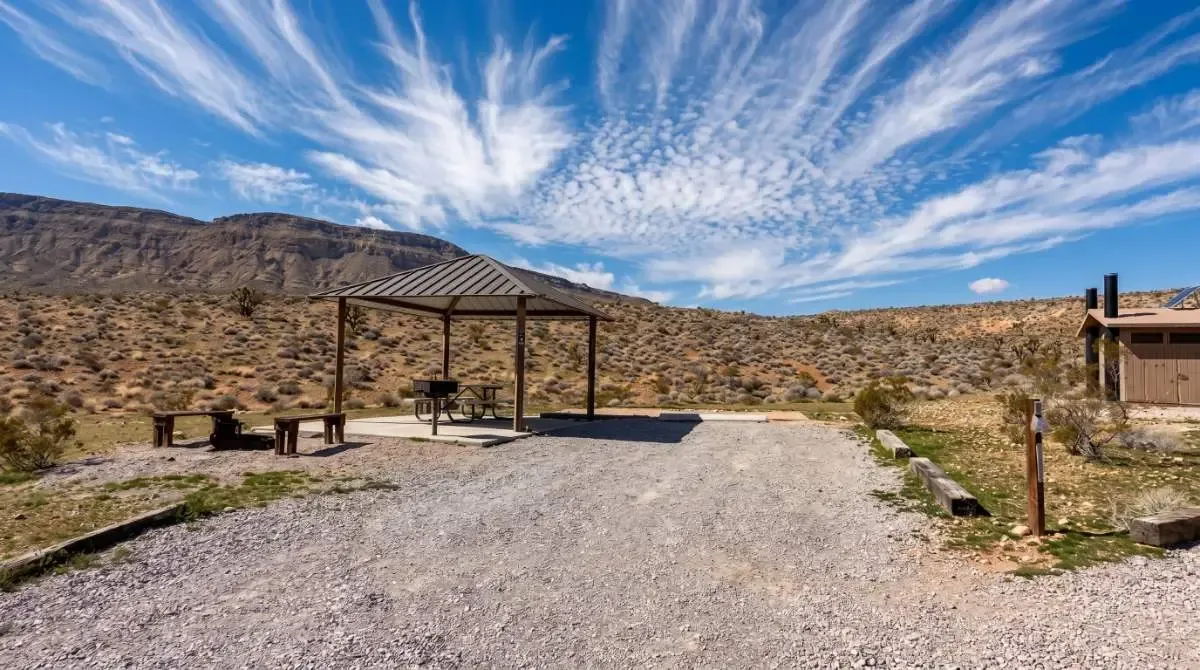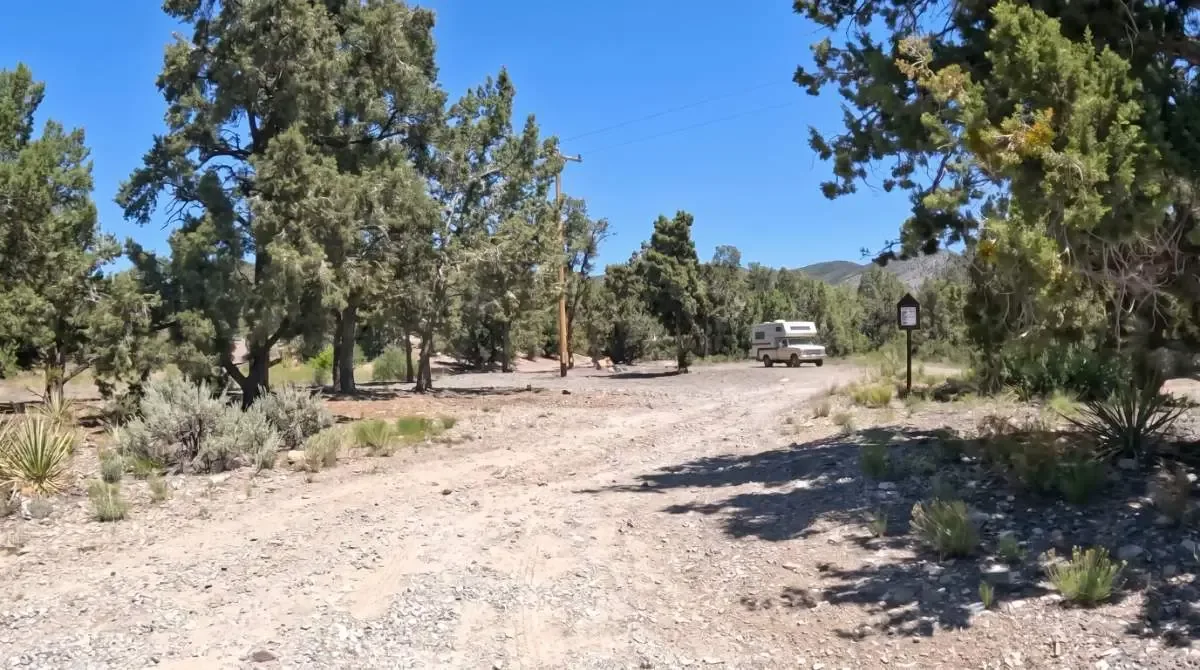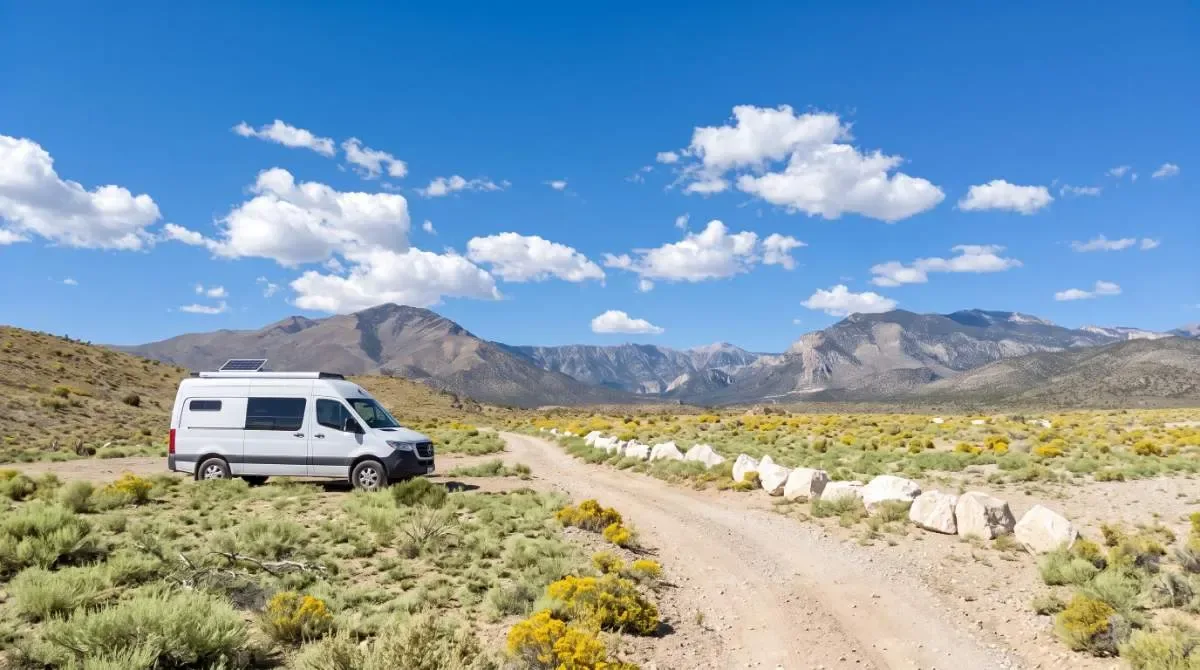
Harris Springs is free, undeveloped dispersed camping on Humboldt-Toiyabe National Forest land, reached via Harris Springs Road off Kyle Canyon Road (NV-157) northwest of Las Vegas — a genuinely different experience from the low-desert dispersed camping around Lake Mead. Instead of creosote flats and Joshua trees, you're climbing into pinyon-juniper and ponderosa pine/white fir forest at an elevation noticeably cooler than the Las Vegas valley.
What to Expect
There are no facilities of any kind — no water, no toilets, no trash service, no maintained fire grates. This is first-come, first-served, with no permit or fee required for individuals or small groups. Come completely self-sufficient: full water tanks, a way to manage human waste, and a plan to pack out every scrap of trash.
Getting There
From Las Vegas, take US-95 north/northwest to the Kyle Canyon Road (NV-157) exit near Centennial Hills, then head up-canyon roughly 12 miles to the lower Harris Springs Road junction. The road itself is a wide, well-graded gravel road without washboard near the bottom — reasonably approachable for many rigs — but it climbs steeply at points, and side spurs get rough, rutted, and 4WD/high-clearance-only.
Practical Advice
- Check current fire-restriction status before counting on a campfire — dispersed sites like this are often excluded even under Stage 1 restrictions.
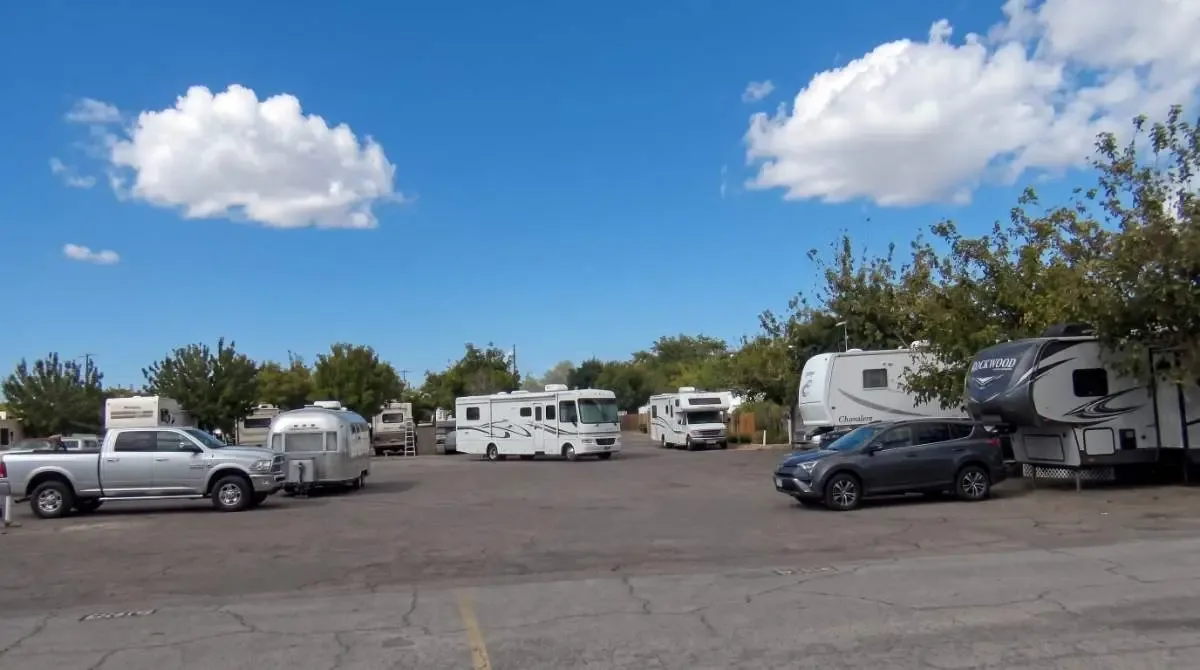
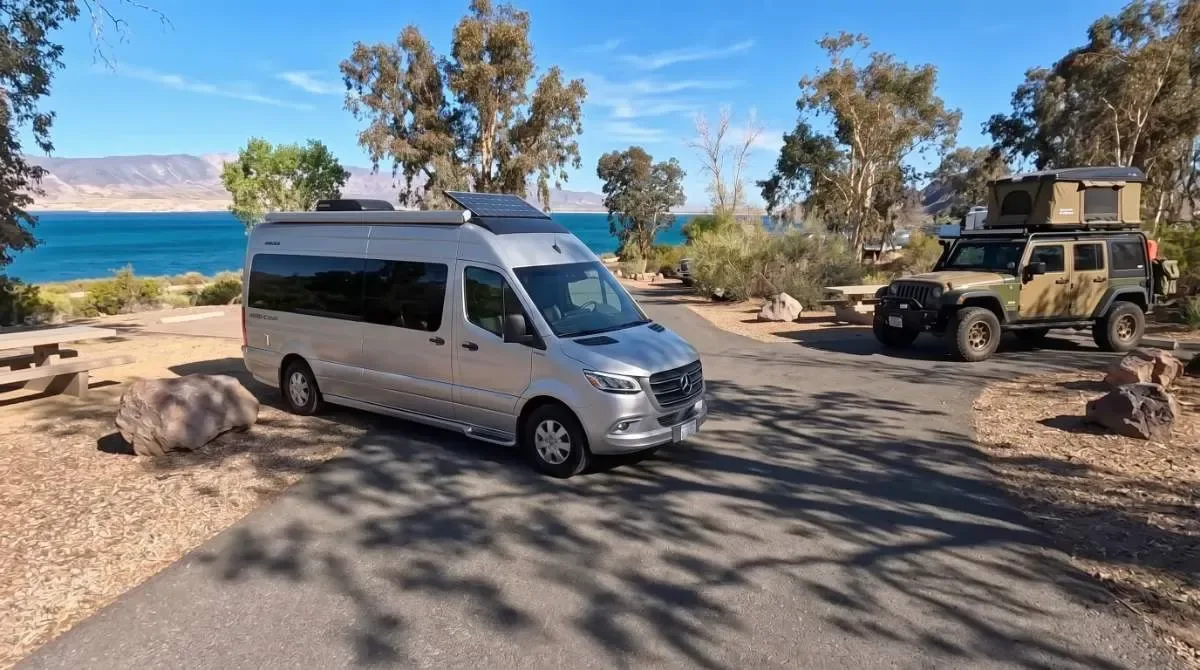
- Realistically plan on truck campers, vans, and smaller-to-mid-size trailers; a large Class A or long fifth-wheel is a poor match for this terrain.
- No resident black bear population exists in this range — food storage here is about pests and cleanliness, not bear-proofing.
- Best timing is late spring through fall, avoiding winter snow on upper Kyle Canyon Road.
Mountain lions, coyotes, and wild burros/horses do range through the area, so standard backcountry food-storage courtesy still applies even without bears to worry about.