Robber's Roost: What to Know Before You Go
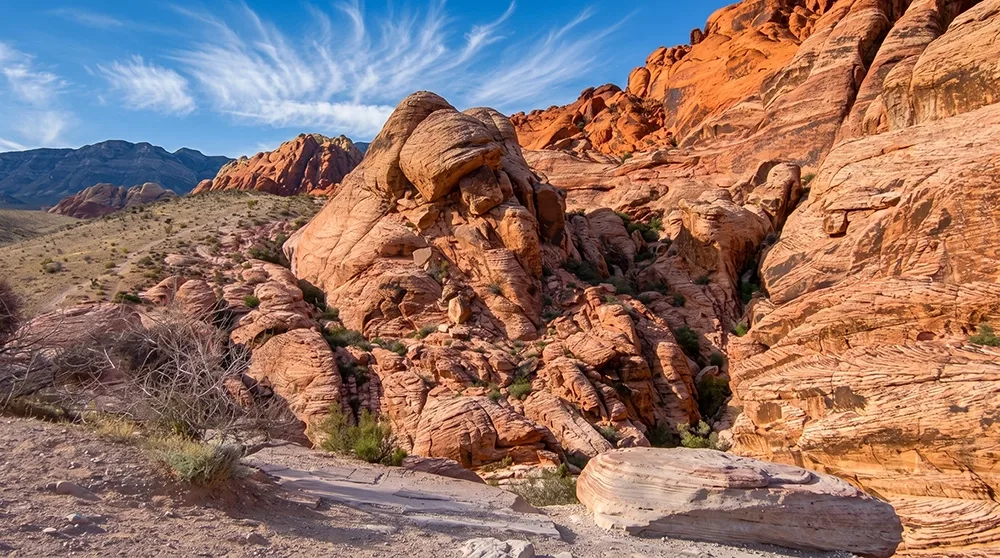
A short walk on Deer Creek Road leads to a set of wind- and rain-eroded limestone alcoves that local legend says once sheltered outlaws preying on Old Spanish Trail travelers. The hike itself is barely a mile-and-a-half from your car, climbing through pinyon pine and curl-leaf mountain mahogany to a rocky scramble at the caves. Welcome to Robber's Roost, a quick stop with a story that's more folklore than documented fact — and worth knowing that distinction before you repeat it.
Trail Snapshot
Distance | Approximately 0.4 miles round trip
Difficulty | Easy to Moderate
Hike Time | About 23 minutes
Elevation | ~229–230 ft change
Fee | None
Restrooms | None at the trailhead
Pets | Not explicitly confirmed; standard leash practice recommended
Difficulty | Easy to Moderate
Hike Time | About 23 minutes
Elevation | ~229–230 ft change
Fee | None
Restrooms | None at the trailhead
Pets | Not explicitly confirmed; standard leash practice recommended
How to Reach the Trailhead
The trailhead is a signed pullout on Deer Creek Road (NV-158), between Kyle and Lee Canyons, with parking across the street. There's no fee and no restroom here, and the lot can get tight in summer.
What to Expect on the Trail
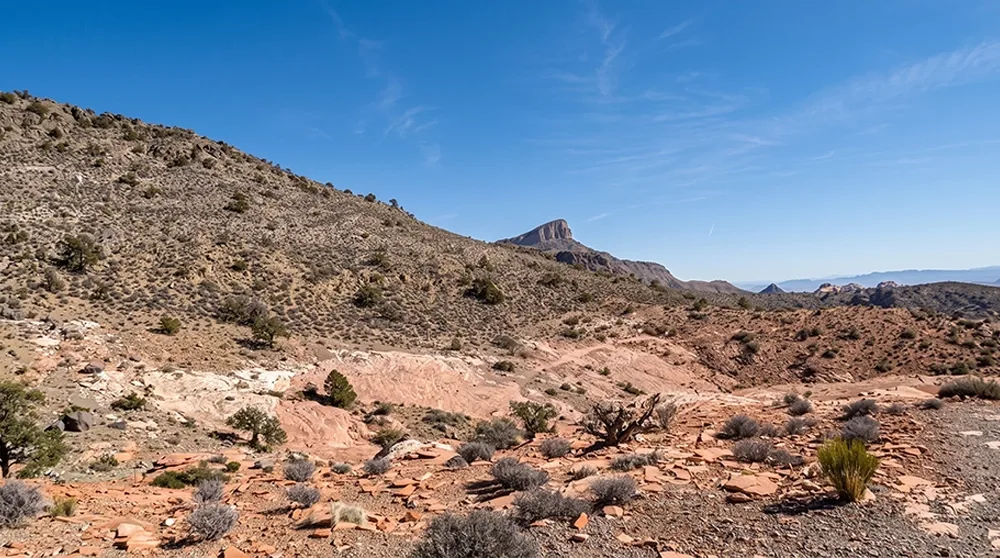
The route passes through pinyon pine and curl-leaf mountain mahogany before reaching a set of wind- and rain-eroded limestone alcoves — one large cave and several smaller ones, not a true cavern. Rated easy by some sources, though reaching the caves involves a genuine short scramble atop limestone rocks near the end.
Outlaws, Legend, and What's Actually Documented
The name comes from an 1880s legend that outlaws used these caves as a hideout while targeting travelers on the Old Spanish Trail. Even the source repeating this story calls it "perhaps unlikely," since other hideouts existed closer to the actual trail route. Treat this as local folklore worth knowing, not documented history. The caves themselves are popular with rock climbers for their steep overhanging walls.
Best Time to Visit and Conditions
Best March through September; the trail's roughly 8,000-foot elevation means snow is possible outside that window. Rocks below the smaller caves get smooth, slippery, and dusty when dry, and dryfalls in the streambed add a real climbing challenge if you continue upstream into the narrower boulder-filled canyon.
Practical Advice for New Visitors
- Bring 1 liter of water per person.
- Wear sturdy shoes for the scramble near the caves.
- Pack sun protection.
- Bring an offline map given limited cell service.
- Treat the outlaw-hideout story as local legend, not verified history.
- Watch your footing — rocks near the caves are slippery even when dry.
- There's no restroom here — plan ahead.
- Expect company from rock climbers on busier days.
For a quick stop with real geology and a fun (if unverified) story, Robber's Roost delivers more character than its short distance suggests. Stay on the marked route, respect the limestone formations, and enjoy one of the shortest worthwhile stops in the Spring Mountains.